Tympanometry is a diagnostic test that measures the eardrum and middle ear’s response to changes in air pressure. It allows audiologists to measure movement of the eardrum, middle ear pressure and other elements that affect the transmission of sound.
Kids get tested a lot, since fluid behind the eardrum is common in them, especially after colds. It also works well as a screening test because the patient doesn’t need to respond to anything. That matters with toddlers who won’t sit still for a hearing test.
In practice, the test helps us:
- Check that the middle ear is working normally
- Find fluid behind the eardrum
- Spot a hole in the eardrum
- Notice eustachian tube problems
- Explain a conductive hearing loss
How Is a Tympanometry Test Performed?
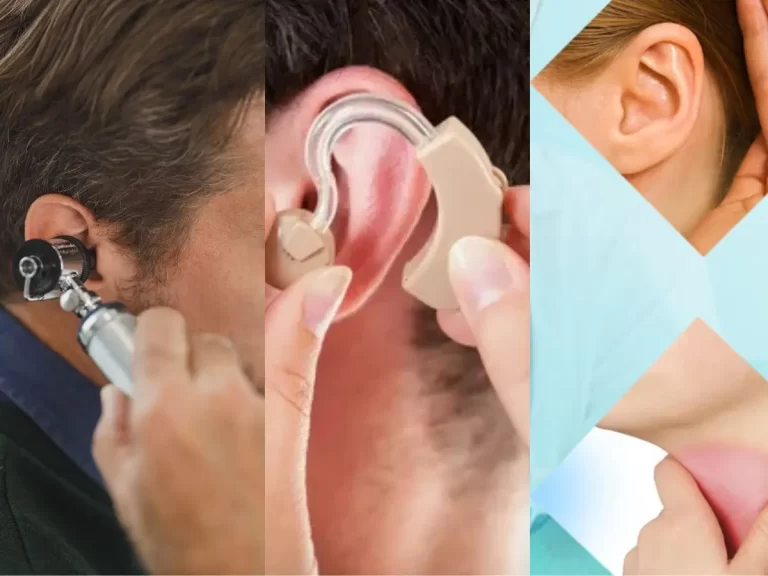
Nothing complicated happens. First we look into the ear to make sure wax isn’t in the way. Then we put a soft rubber tip at the starting of the ear canal so that it seals gently.
Through that tip, the tympanometer changes the air pressure while playing a steady tone. It measures how much of the sound the eardrum absorbs. A healthy eardrum takes in most of it. A stiff one, or one with fluid behind it, sends more back.
The machine draws the result as a graph called a tympanogram. It takes about a minute per ear. You’ll feel a little pressure and may hear a hum, but it shouldn’t hurt. Just stay still and try not to talk or swallow while the probe is in.
Tympanometry Types: A, B and C
We sort tympanograms into types based on the shape of the curve.
| Type | What the curve looks like | What it usually suggests |
|---|---|---|
| Type A | Clear peak near normal pressure | Normal middle ear function |
| Type B | Flat, no peak | Fluid, a perforation, or a blocked probe |
| Type C | Peak pushed toward negative pressure | May indicate Eustachian tube dysfunction |
How to Understand Tympanometry Results
There are following points that help to understand tympanometry results:
- Curve shape: Whether the graph has a distinct peak or appears flat.
- Middle ear pressure: Whether the peak falls within the expected range.
- Compliance: How readily the middle ear system responds to changes in pressure.
- Ear canal volume: A measurement that can help clarify certain flat-curve findings.
Different combinations of these measurements give rise to different patterns of tympanometry reports. The results should be interpreted by a qualified clinician, not by one result label.
Tympanometry and Otosclerosis
In otosclerosis, one of the small bones in the middle ear gets fixed. The eardrum may appear normal and move normally, hence tympanometry often shows a Type A curve. It can’t confirm the condition by itself. We lean on pure tone audiometry and acoustic reflex testing for the full picture.
The test is more useful for problems of the eardrum and middle ear space, such as glue ear (otitis media with effusion), eustachian tube dysfunction and perforation.
Audiometry vs Tympanometry
People mix these two up all the time, and we usually do both in the same visit.
Audiometry asks, “What can you hear?” It finds the softest sounds you pick up at different pitches. Tympanometry asks, “How is your middle ear moving?” It doesn’t measure hearing at all.
Put together, they help us tell whether a hearing loss starts in the middle ear or deeper in the inner ear.
Benefits and Limits of Tympanometry
The big advantages are speed and comfort. It’s quick, painless, safe for babies and adults, and needs no response from the patient.
It does have limits. It can’t tell you how well you hear, and it can’t diagnose a condition alone. If the canal is blocked with wax or there’s active discharge, we can’t get a reliable reading.
FAQs
Does tympanometry hurt?
No. Most people experience just a mild pressure for a few seconds.
Is hearing loss detectable with tympanometry?
Not directly. It looks at the middle ear. The loss itself is measured by a hearing test (audiometry).
Is it safe for babies and kids?
Yes, We tend to use a higher-frequency probe tone for babies under about six months, as the standard 226 Hz tone is less reliable at that age.
How long does it take?
It takes around 1 to 2 minutes for both ears.
What does a flat tympanogram indicate?
The eardrum isn’t moving normally. Fluid, a perforation or a blockage are the usual causes, and the ear canal volume helps us tell which.
When should the test be postponed?
If you’ve had recent ear surgery, or have ear pain or discharge, tell your audiologist first. We may delay or adapt the test.
Need More Information About Tympanometry?
If you have questions about tympanometry or want to understand how this test fits into a hearing assessment, Audiology Consultants Pakistan can help you explore the next steps. Learn more about the procedure and its role in evaluating middle ear function on our tympanometry testing services.